Cardiovascular Risk Assessment


A complete heart health check designed to spot problems before they start. You'll receive a personalised prevention plan to protect your long-term heart health, including any further investigations recommended.
Ideal For Patients With:
High Blood Pressure
Blood Pressure is measured in millimetres of mercury (mmHg) and written as two numbers:
-
Top reading (Systolic blood pressure): pressure when the heart beats
-
Bottom reading (Diastolic blood pressure): pressure when the heart relaxes
Persistent readings of blood pressure of 140/90 mmHg or higher is generally considered high.
This increases your risk of:
-
Heart attack
-
Stroke
-
Heart failure
-
kidney disease
-
dementia
The good news is that controlling your blood pressure can significantly reduce these risks.
Diabetes
Diabetes is a condition in which blood sugar (glucose) levels are higher than normal. A small proportion of patients (8-10%) have intrinsic inability to process sugar due to lack of insulin (Type 1 Diabetes), but majority of patients acquire disease due to excessive consumption of sugary products and development of insulin resistance and relative insulin deficiency (Type 2 Diabetes).
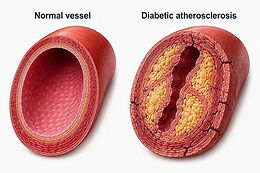
High level of sugar in blood vessels makes them brittle and accelerates the build-up of fatty deposits (atherosclerosis) in the arteries, promotes inflammation and oxidative stress and increases the risk of blood clots. Hence, Diabetes increases the risk of heart attacks, kidney damage and stroke by affecting entire network of blood vessels.
Smoking History
A smoking history severely harms cardiac health by damaging artery walls, raising blood pressure, reducing blood oxygen, and doubling the risk of heart attacks, strokes, and heart failure. Quitting lowers these risks over time, though some residual cardiovascular risks can persist for years.
Premature Heart Disease Concerns
Premature heart disease involves the development of cardiovascular issues at a young age, typically defined as before 55 in men and 65 in women. Key concerns include rising rates of early plaque buildup in arteries, undiagnosed genetic defects, and lifestyle factors like high stress and poor diet.
Main risk factors include:
-
Family history: Early heart problems in parents and siblings
-
High blood pressure and cholesterol: Damages and narrows blood vessels early in life
-
Diabetes and obesity: Stresses the heart and alters blood chemistry
-
Lifestyle habits: smoking, lack of exercise, heavy drinking, and high stress
High Cholesterol
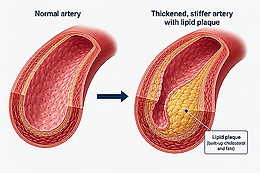
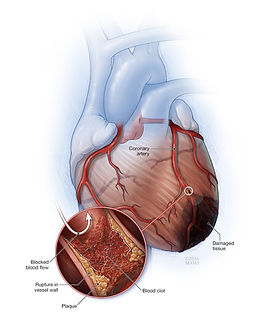
Cholesterol is a fatty substance carried in your blood. Your body needs some cholesterol to function normally, but too much can lead to a build-up of fatty deposits in your arteries. This can increase your risk of heart attack, stroke, and other cardiovascular diseases.
Over time, excess cholesterol can:
-
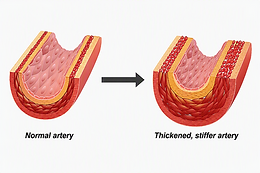
Narrow and harden the arteries - process called atherosclerosis
-
Reduced blood flow to the heart, brain and other important organs
-
Increase the risk of heart attack and stroke
-
Increase the risk of poor circulation in the legs (peripheral arterial disease)
Family History of Heart Disease
When you have a family history of a disease, this means a member of your family has, or had that disease. Generally, if you have a family history of heart condition, you may have a higher risk of developing a heart condition.
A family history could increase your risk of developing heart disease in a number of ways:
-
Inherited Genes: You could've inherited genes that cause heart disease. While there is no single gene that causes heart disease, several genes can work together to increase your chances of developing it. Certain genes can pass on risk such as high blood pressure or high cholesterol
-
Share Environments: Shared environments can also be passed on to you from the previous generation in your family. You may have developed certain eating habits or lifestyle behaviours, such as preferences for certain types of food or a sedentary lifestyle
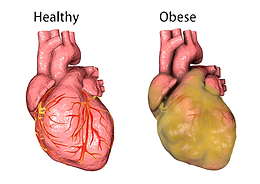
Obesity / Excess Weight
Carrying extra weight puts strain on the heart and blood vessels. Here’s how it can lead to heart problems:
-
High Blood Pressure: Excess fat increases resistance in the blood vessels, making the heart work harder. Over time, this can damage arteries and raise the risk of heart attacks or strokes
-
High Cholesterol: Obesity often leads to high "bad" cholesterol (LDL) and low "good" cholesterol (HDL). This causes fatty deposits in the arteries, restricting blood blow to the heart
-
Increased Diabetes Risk: Obesity is a major cause of type 2 diabetes, which further harms blood vessels and increases the risk of cardiovascular disease
-
Inflammation: Fat issues, particularly around the abdomen, releases chemicals that trigger inflammation, which can contribute to the development of heart disease
-
Sleep Apnoea: Obesity increases the risk of developing obstructive sleep apnoea, a disorder in which breathing repeatedly stops during sleep. This put extra stress on the heart
What The Assessment Includes:
Full Cardiovascular History
Your full heart health will be reviewed by looking at your personal health history, asking about symptoms (like chest pain or shortness of breath), evaluating your family medical background, and performing physical examination and/or tests like ECG or blood work to find any risks.
What will be reviewed:
-
Past Health: Looking at old illnesses, surgeries, and medicines you take
-
Family History: Checks if your parents or siblings had heart disease or strokes
-
Daily Habits: Smoking, diet, stress, and how much exercise
-
Current Symptoms: Notes on pain, dizziness, or tired feelings
Electrocardiogram (ECG)
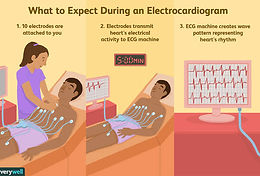
An electrocardiogram or ECG is a test that records the electrical activity of your heart. The ECG reflects what's happening in different areas of the heart and helps identify any problems with the rhythm or rate of your heart. This is a non-invasive test, is painless and typically takes around five to ten minutes to perform
Risk Factor Evaluation
Once we have a clear view of your heart health, we are able to provide a risk factor evaluation to help provide tailored preventative strategies and treatments to suit your individual needs. This can be divided into:
-
Life-style Risk Factors: These are treatable, including smoking, lack of exercise, obesity, an unhealthy diet, and excess alcohol
-
Fixed Risk Factors: strong family history, belonging to certain ethnic groups, age, gender
Understanding your cardiac risk empowers you to take proactive steps towards a healthier heart. Stopping smoking is one of the most effective ways to lower your risk. Adopting a balanced diet rich in fruits, vegetables, and whole grains, along with regular physical activity, can also significantly lower your risk factors. For those with existing conditions like diabetes or hypertension, managing these conditions effectively is crucial in reducing cardiovascular risk.
Physical Examination
Beyond reviewing your medical history, we will measure vital signs like blood pressure and heart rate. This will include:
-
Listening to your heart and lung sounds for murmurs or unusual rhythms
-
Check pulses in your neck, wrists, and feet for blood flow
-
Look for signs of poor circulation or extra fluid, such as swollen ankles
-
Inspect your chest for old surgical scars or implanted devices
Blood Tests
Specific blood tests are carried out to evaluate heart function, measure risk factors, and check for muscle damage or strain. Common tests check cholesterol, blood sugar, and organ health to guide diagnosis and treatment. Typical blood indicators checked are:
-
Lipid Profile: measures total cholesterol, LDL, HDL, and triglycerides to assess plaque build-up risks
-
Troponin: Detects proteins released when the heart muscle is damaged
-
BNP or NT-proBNP: Checks for natriuretic peptides that indicate or measure the severity of heart failure
-
HbA1c: Evaluates average blood sugar levels over three months to check for diabetes
-
Urea and Electrolytes (U&E): Measures sodium and potassium to check kidney function and body chemistry
-
Full blood count (FBC): Identifies conditions like anaemia that strain the heart
-
hs-CRP: Looks for inflammation markers linked to heart attack risk
Personalised Prevention Plan
Once we have an accurate picture of your heart’s health, we can help you protect it. By changing your lifestyle and having regular check-ups to keep an eye out for e.g. diabetes, high cholesterol levels and hypertension, you can stay healthy and well.
Our personalised plan can include:
-
Personalised weight management programme
-
Exercise and/or nutritional advice
-
Leading-edge treatment for diabetes
-
Support with giving up smoking
-
Tailored medication to protect your heart